
Tips to Start an Incredible Presentation
You’ll probably agree with us: first impressions count. Starting off on the right foot when giving a presentation means that your audience will be interested in listening to what you have to say right from the beginning.
Whether you are presenting for your own teammates or in front of an audience, getting their attention right off the bat is what matters—and then, the rest of the presentation will be much easier for you!
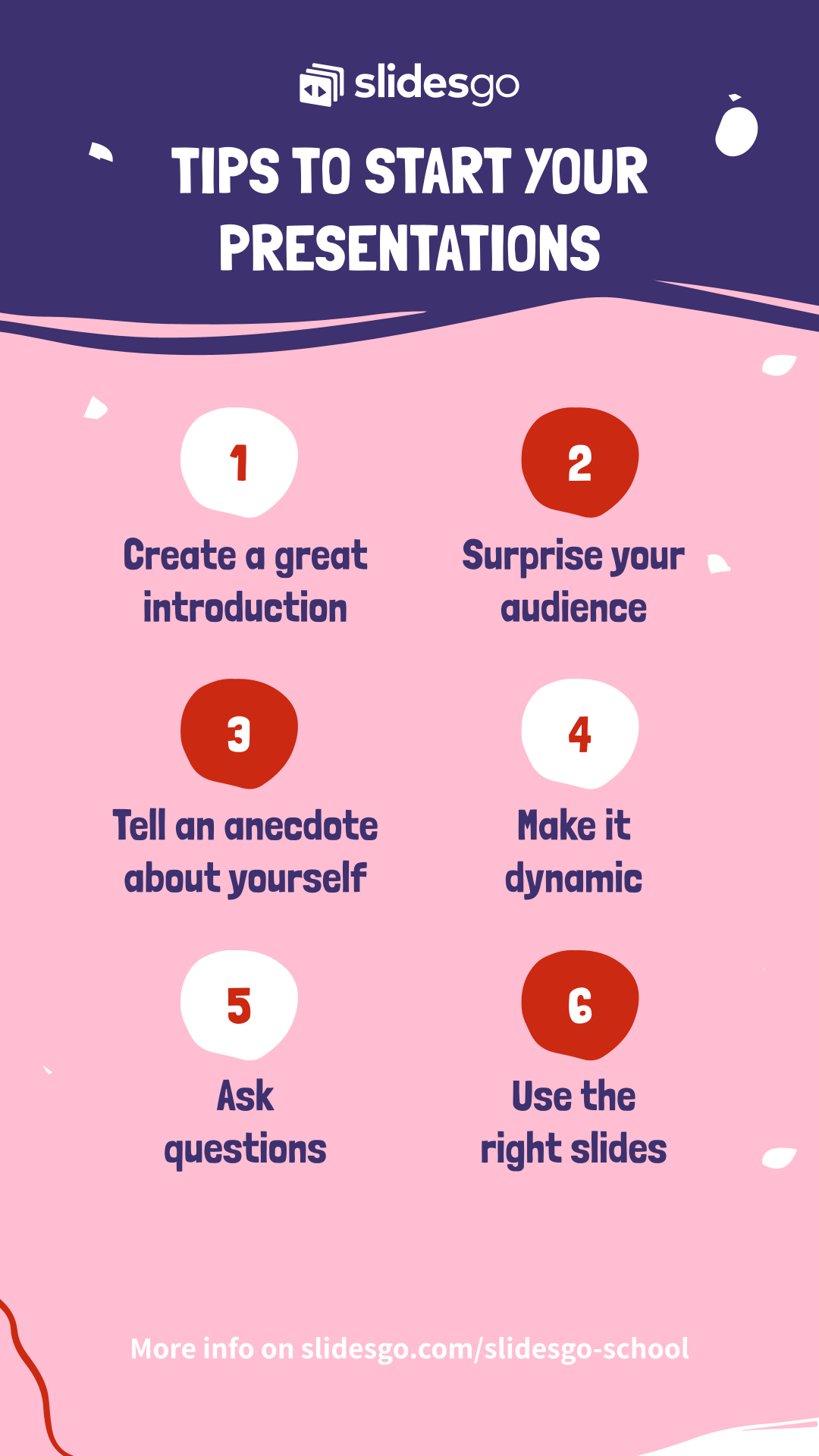
In this article, we’ll give you 6 tips on how to start your slides presentation like a pro!
Create a great introduction
It might sound obvious, but yeah: introductions usually have a spot in the beginning of a slideshow, and you can use one that should go straight to the point. Perhaps a short sentence that states something directly to your audience.

Tell it to everyone: your product is the best and you are not afraid to prove it. This combination of a big word (nothing is more universal than a simple “Yes!”) and a statement, next to a picture (if possible, try using one that can be related to what you want to talk about) sets the mood instantly: you’ve come prepared and you are confident! This is one of the best ways to start a presentation!
Surprise your audience
This might be similar to the previous tip, although depending on what your idea is, it can be the total opposite, and it works! Our suggestion is to try and greet them with something that could be unexpected, something that might not make sense at first.

Look at this (fictional) example. Some eyebrows will be raised, for sure, but this is best achieved if you make it so that the audience laughs instead. Using over-the-top statements, perhaps comical, will work even better. After that, you can continue with your speech and make things clear by explaining the actual meaning.
Tell an anecdote about yourself
If you want to connect with your audience, you can introduce yourself and then tell an interesting or funny anecdote. What happened to you that made you be right here, presenting today? What made you found your company?

Again, depending on your audience, you should adjust the tone of the anecdote. Be funny if the atmosphere feels relaxed, as in the example shown. Be more serious if you are trying to tell a story that changed your life after an accident, for example.
Make it dynamic
Sometimes, even though you are the speaker, there can be another way of starting your presentation than appearing yourself on stage. How about letting a video introducing the topic? Or some motion graphics? It’s like trying something different and, at the same time, more visual to the eye.
Another possibility is to play that video as the audience arrives at the place. While they wait for your speech to begin, they are already being treated with some footage that will leave them wondering and thinking about it.
Ask questions
This one is interesting because you can bring this up in two ways. You can include some rhetorical questions that actually don’t need any answer (but can also surprise your audience or be unexpected to them).

Conversely, you can ask directly to the audience, either by speaking to them or with a slide. This makes them feel involved and part of the presentation. You can even let them actually answer to you (and this could be vital information for later stages of your speech, where you show your product and how it can be perfect for everyone, for example).
The “what if…?” questions are a variant of this. It provides some context and builds expectation, so the audience will have to listen to you if they want to find out the answer. It might seem clichéd, but it’s one of the best ways to start a presentation too.

Use the right slides for the right theme
As a general rule, try to avoid plain-looking slides without colors or devoid of elements. A slideshow is a vital aid during your speech, it’s the visual part of the presentation, the one that complements you, talking in front of the audience.
Also, try to match the design of the slides to the theme or the topic you are going to talk about. It can be a bit difficult if you are not familiar with presentation software such as Google Slides or PowerPoint.
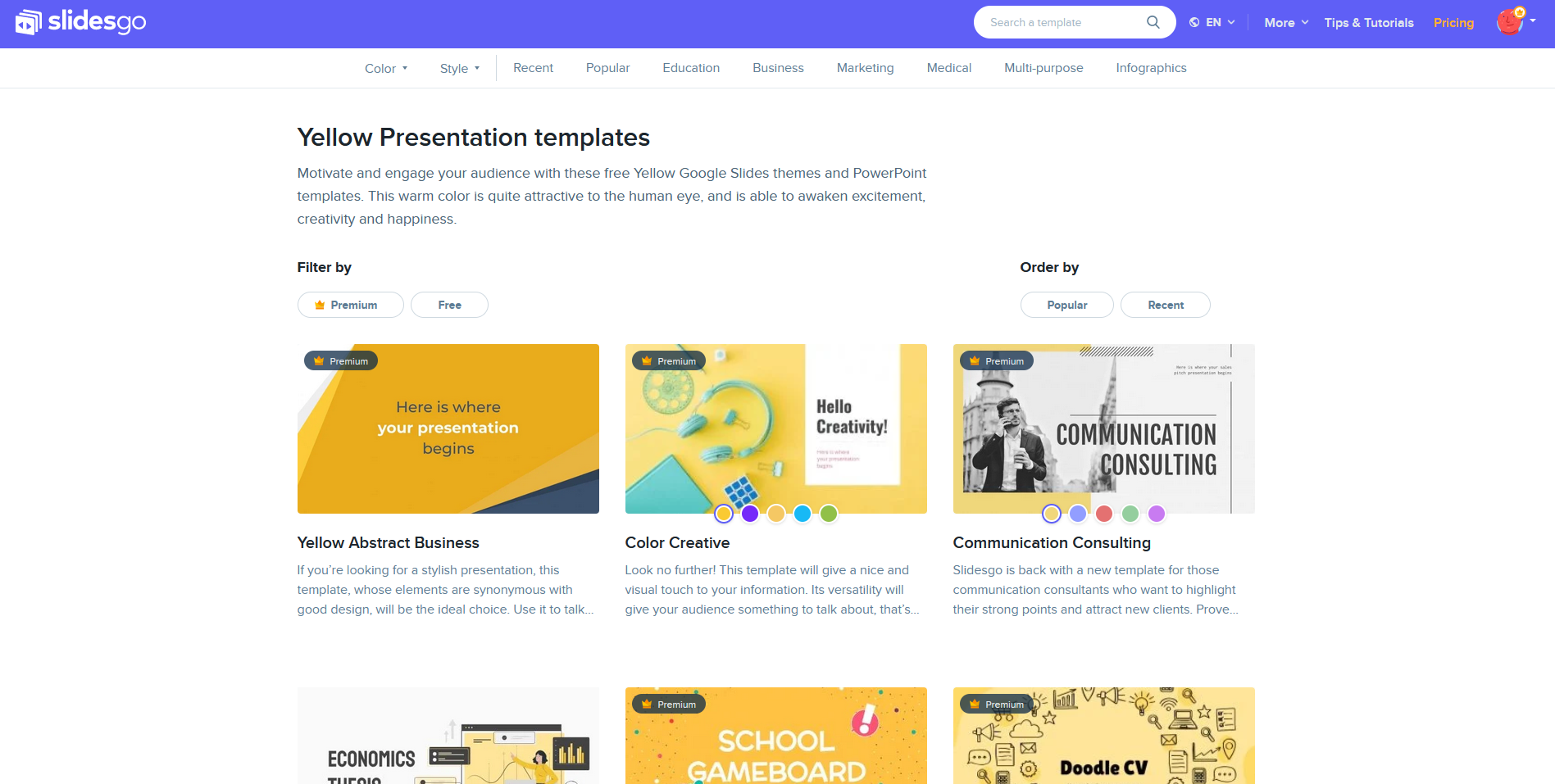
Why don’t you use a template? Slidesgo has thousands (literally, thousands) of free templates that you can download with a few clicks. The best thing is that there’s a huge variety, either by color, topic, style, or kind of graphics used.
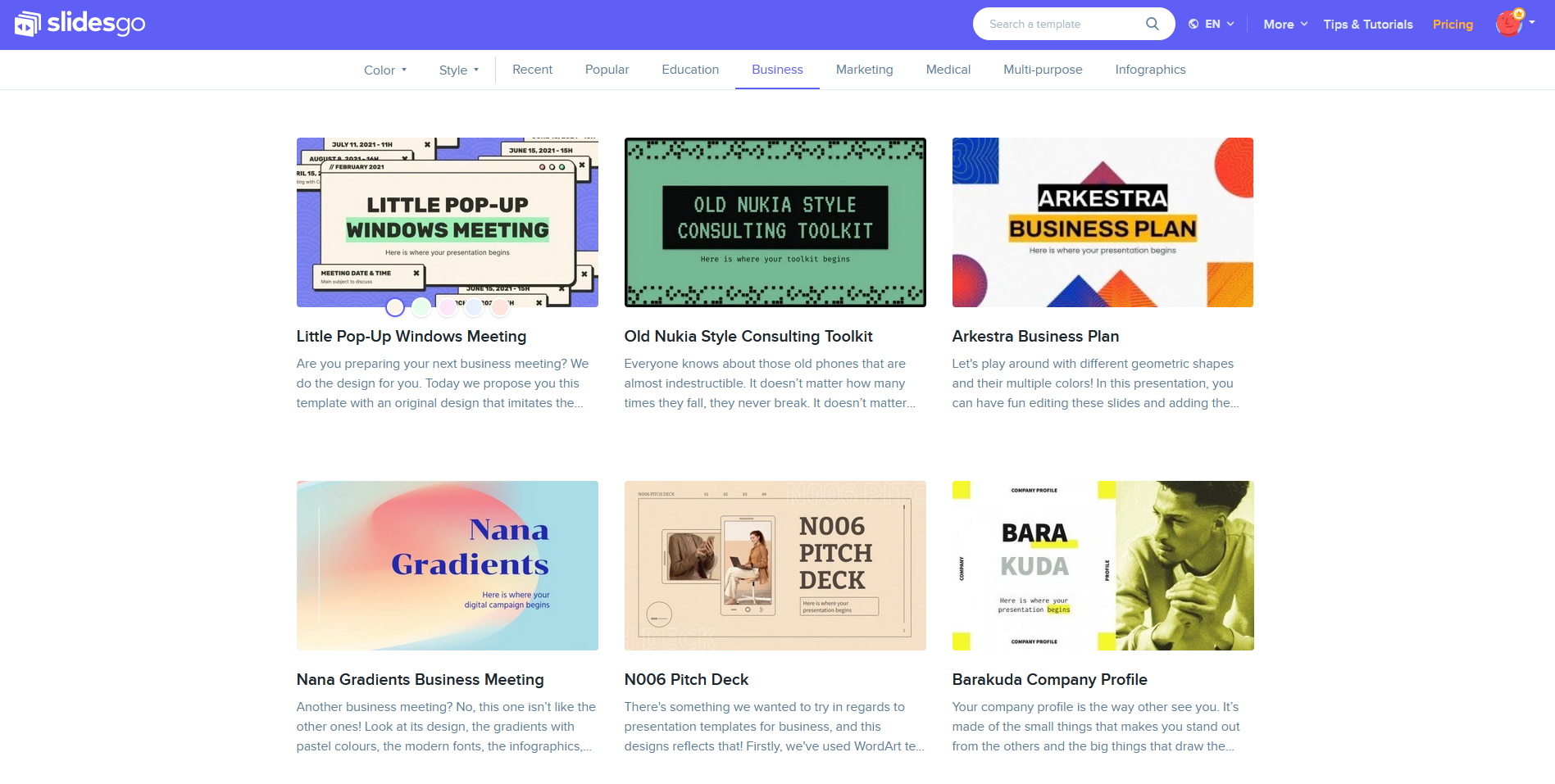
There are templates for business, marketing, education, healthcare and even multi-purpose ones. Does your brand have a main color, or you want to convey a specific meaning or sensation with your slideshow? Just browse by color! If you want to know more about how colors can have an effect on your audience, here’s an article that might help you.
Our last suggestion is simple: practice, practice and practice!
Download some templates on Slidesgo, customize them and then do a mock presentation in front of some friends or colleagues and see their reaction. It’s best if they don’t know what your presentation is about, as their reaction will be more natural!
Now that you have some ideas on how to start your presentation, you might also want to know how to end your presentation as best as possible! Great, because we have just the perfect article for you!
Do you find this article useful?
Related tutorials
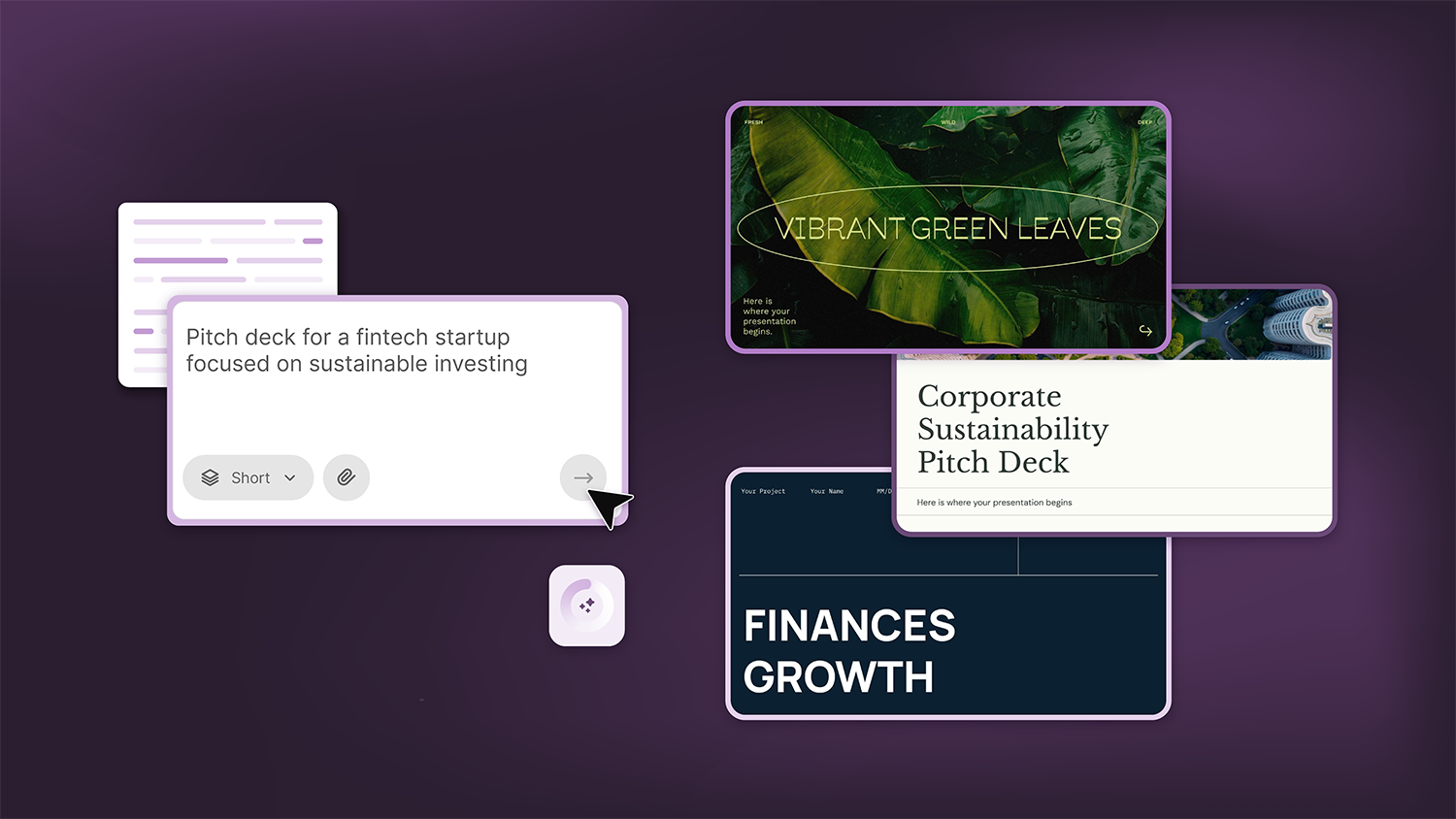
How Smart Template Matching Saves Hours on Your Next Presentation
Content Find your perfect template, automatically How it works Templates that match your topic Get better results FAQ Skip the Search, Start Creating Find your perfect template, automatically Great presentations look intentional—where the design supports the message. But finding a template that fits usually means scrolling through dozens of options....
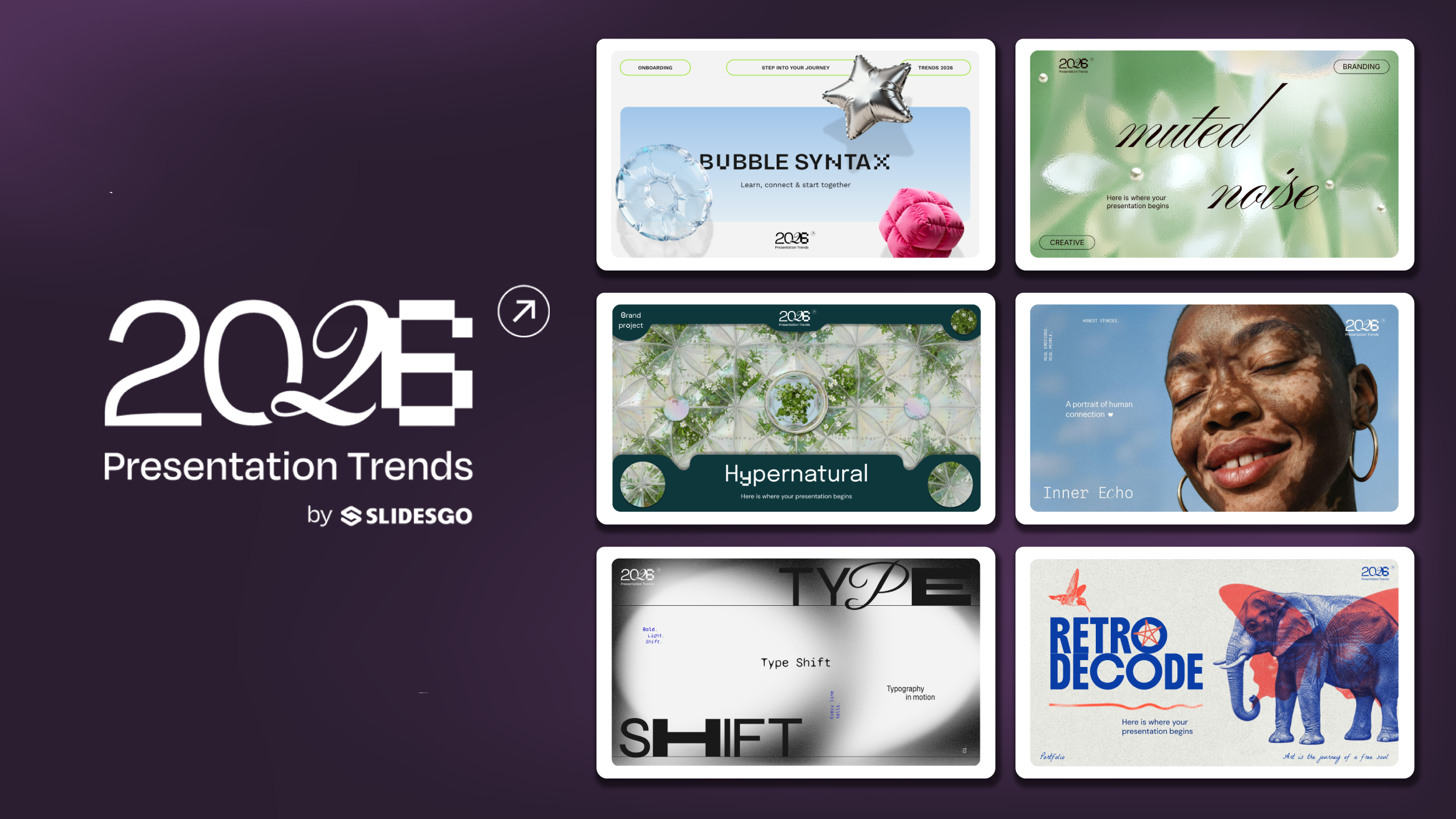
Presentation Design Trends 2026: 10 Styles Shaping Your Slides
In 2026, presentations are no longer just visual support tools—they’re becoming clear, human, and emotionally engaging experiences. Typography steps into the spotlight, shapes soften, and colors aim to restore focus on what really matters. Data and stories aren’t just shown; they’re spoken in a way that feels natural and considered.The way...
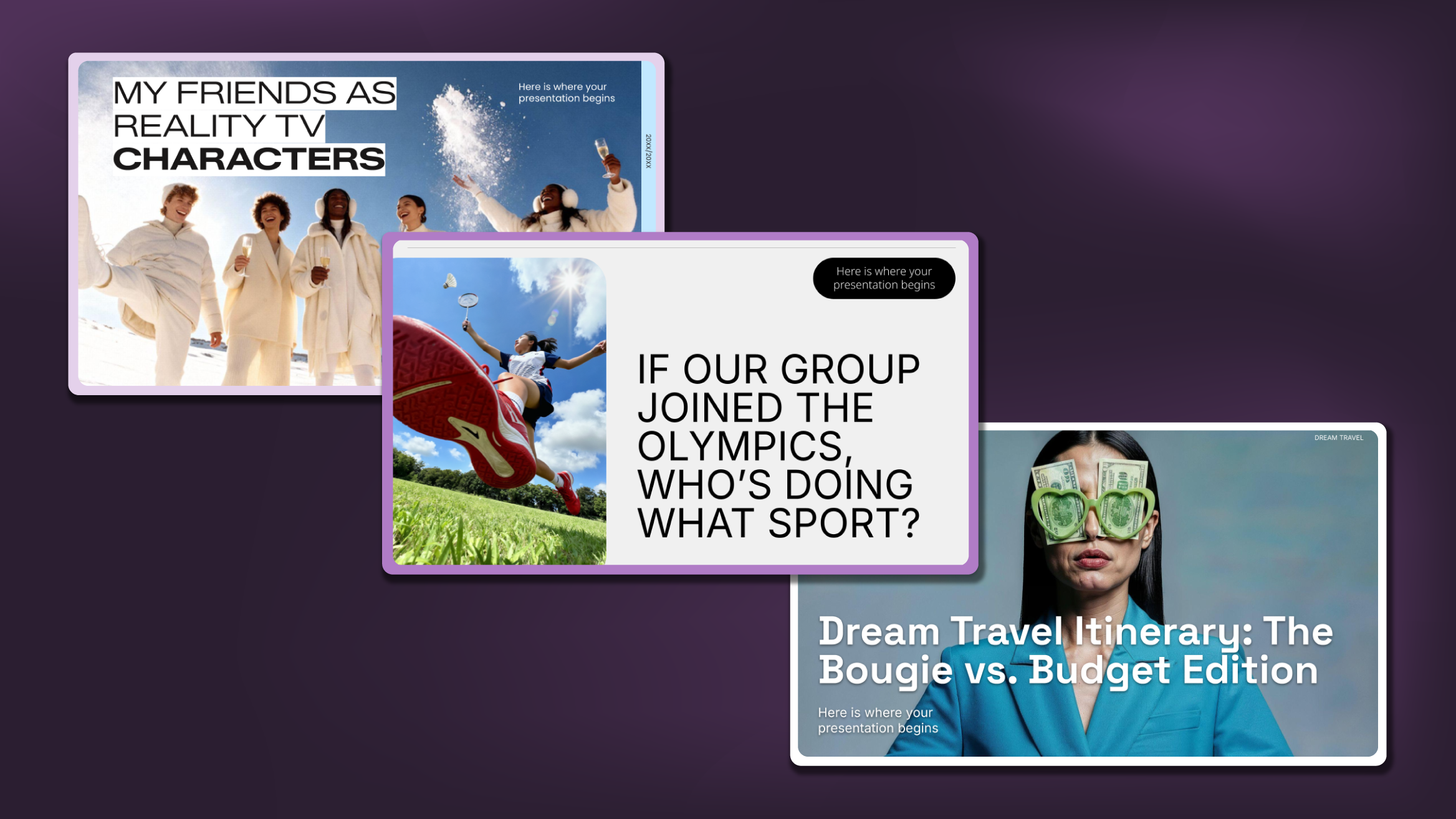
Creative PowerPoint Night Ideas
Want to be the star of your next PowerPoint Night? With the right ideas and a spark of creativity, you can turn any theme into a show-stopping experience that keeps everyone laughing and engaged. Whether you’re planning a friendly game night, a classroom challenge, or a team-building session, this guide is your...
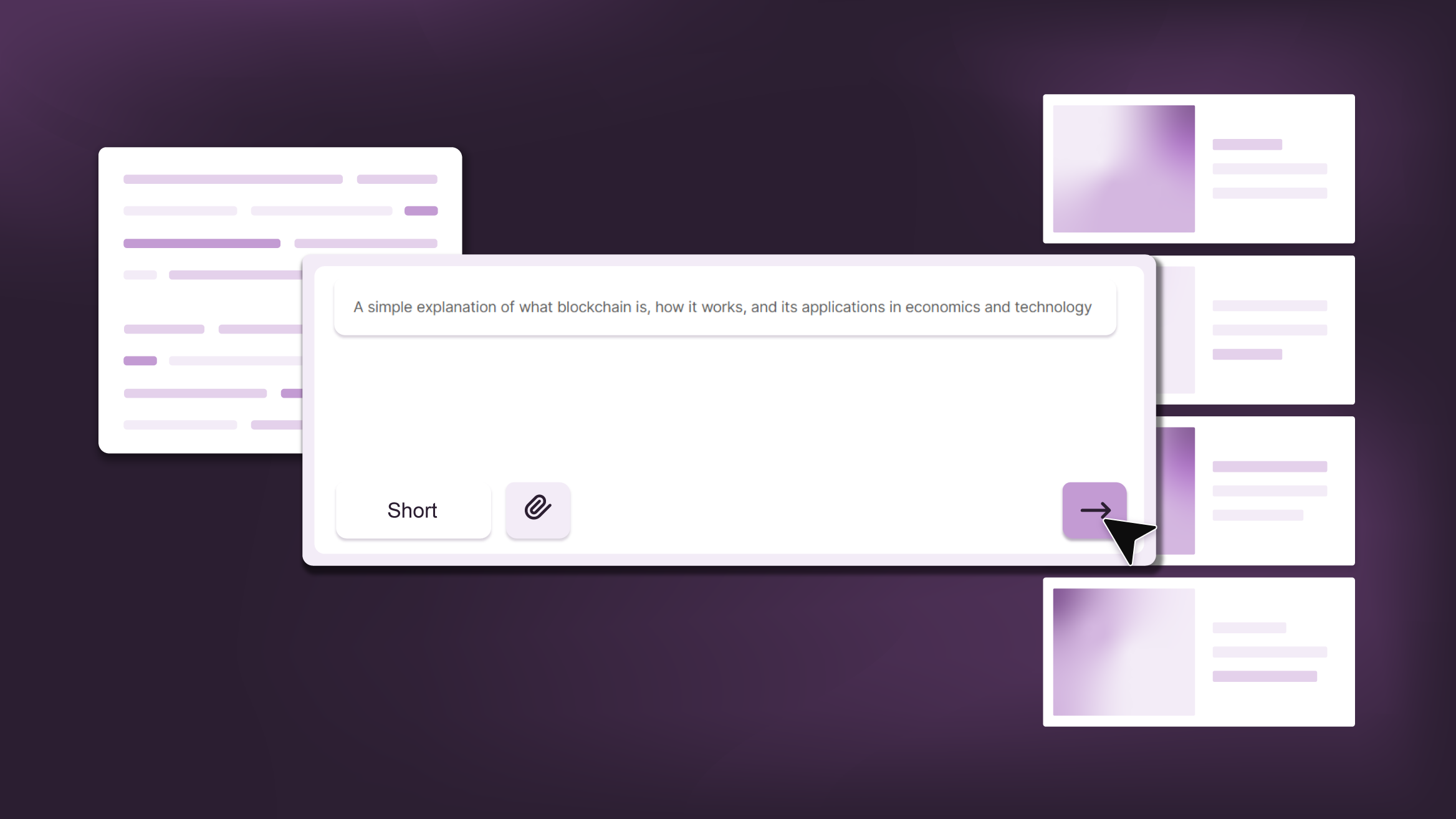
Smart Guide: Best AI Prompts for Powerful Presentations
Ever stared at a blank slide, knowing your message matters but not sure how to bring it to life? You’re not alone. With the rise of AI Presentation Maker, more creators, educators, and professionals are asking: What are the best AI prompts for presentations?This guide shows you exactly how to...